
About The Seminars
Your First Semester at SMCM: Çï¿ûÊÓƵ Seminars
The Çï¿ûÊÓƵ Seminars (Çï¿ûÊÓƵ 101 and Çï¿ûÊÓƵ 301) are an integral part of the Çï¿ûÊÓƵ Curriculum at St. Mary’s College of Maryland. As small, discussion-focused classes, they create a shared academic experience for all new SMCM students.
Çï¿ûÊÓƵ Seminars also provide a foundation for getting to know the College community. Each seminar has a Peer Mentor, who helps new students acclimate to SMCM inside and outside of the classroom.
First Year Students complete Çï¿ûÊÓƵ 101
First-year students (i.e., those who have not attended another college or university as well as students who have attended another institution but are transferring in 24 or fewer credits) are required to take Çï¿ûÊÓƵ 101 during their first semester at SMCM.
Transfer Students complete Çï¿ûÊÓƵ 301
Transfer students (defined as students with more than 24 credits) are required to take Çï¿ûÊÓƵ 301 during their first semester at SMCM.
Focus on Fundamentals
While seminars vary by topic, each one focuses on the fundamental liberal arts skills students will use throughout their years at St. Mary’s College, no matter what their major is. These skills include:
- Critical Thinking: Critical thinking occurs when we ask questions about what we know. Seminar students practice their critical thinking skills by considering texts and contexts, and by evaluating the consistency, coherence, importance, and originality of ideas.
- Information Literacy: Information literacy skills support students’ critical thinking. In their Çï¿ûÊÓƵ Seminar, students get to know the library and learn to use electronic resources effectively. Students identify when information is needed, and practice how to locate, analyze, evaluate, and use various forms of information.
- Written Expression: All seminar students develop their ability to articulate a coherent, creative, and compelling line of thought in writing, with attention to language and rhetorical context. Writing in each seminar puts critical thinking and information literacy skills to work to communicate complex ideas effectively.
- Oral Expression: Students in Çï¿ûÊÓƵ Seminars are also expected to practice their oral expression skills. Through both informal discussions and formal presentations, students work on delivering a coherent, creative, and compelling line of thought that’s tailored to their audience.
Connect with Your Program Chair
All the faculty here at Çï¿ûÊÓƵ want to help you explore your interests and set you up for success. We look forward to connecting with you and meeting you on campus.
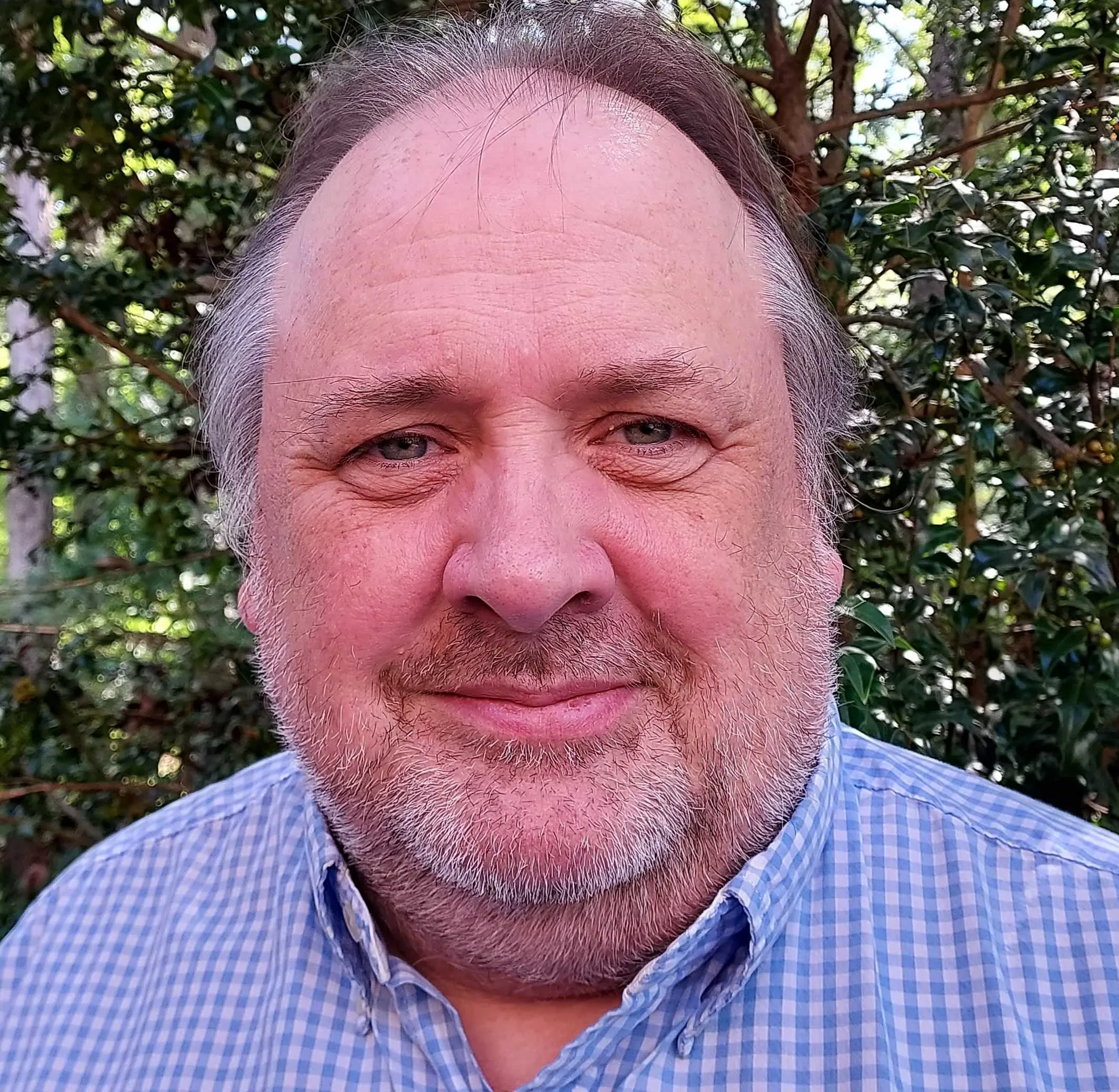
Associate Professor of English | Chair, Çï¿ûÊÓƵ Seminars
bposullivan@smcm.edu